
The Collective Mindfulness Survey History
Before we share the history of the Collective Mindfulness Survey - it might be worth reviewing what Collective Mindfulness actually is.
Collective mindfulness is a concept that extends the principles of mindfulness, typically associated with individual well-being and self-awareness, to groups, organizations, or communities. It involves a collective awareness and presence that allows a group of individuals to work together more effectively, make better decisions, and foster a sense of shared purpose.
Key aspects of collective mindfulness include:
| 1. | Shared Attention Just as individuals practice paying focused and non-judgmental attention to the present moment in mindfulness, groups can collectively focus on the present, which can enhance their understanding of the current situation and context. |
| 2. | Shared Awareness Collective mindfulness encourages group members to be aware of their surroundings, their team dynamics, and the broader environment in which they operate. This awareness can help identify opportunities and challenges more effectively. |
| 3. | Collaboration When a group practices collective mindfulness, it can improve collaboration and communication. Members are more attuned to each other's needs and perspectives, leading to more effective teamwork. |
| 4. | Conflict Resolution By fostering open and non-judgmental communication, collective mindfulness can also help groups navigate conflicts and disagreements more constructively. |
| 5. | Adaptability Collective mindfulness allows groups to adapt more readily to changing circumstances and challenges. A mindful group is often more flexible and responsive. |
| 6. | Purpose and Values It encourages groups to clarify and articulate their shared purpose and values, helping to create a shared sense of meaning and direction. |
Collective mindfulness practices can take various forms, such as group meditation, reflective discussions, or simply setting aside time for the group to reflect on its goals and operations. It's increasingly recognized as a valuable concept in fields like leadership, team dynamics, and organizational development, as it can lead to improved group performance and well-being.
In essence, collective mindfulness seeks to create a collective consciousness and a shared sense of presence among group members, helping them work together in a more mindful, purposeful, and harmonious manner.
Collective Mindfulness has also become known as High Reliability Organizing or HRO.
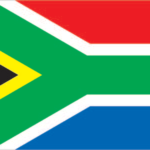 So, the development of the Collective Mindfulness (HRO) Survey followed a speaking tour of South Africa in September of 2009. It was during the introduction of concepts in safety such as Situational Awareness and Collective Mindfulness, that quite a reasonable question was asked.
"David, this sounds like a very powerful way to think inside the business, but how do we really 'know' what/where we are?"
What a brilliant question! The answer by the way (up till now) was; we don't. That's a little unfair. We actually do, but the only way was to conduct some sort of anecdotal review. There certainly was nothing freely available that had, at its core, a sense of empirical analysis. It was for that reason that Transformational Safety® embarked on the development of The Collective Mindfulness Survey.
We began with the premise that we needed a way that we could effectively get an "understanding" of the five (5) Collective Mindfulness dimensions from within the workforce itself. Standard interview techniques etc often result in all sorts of imported bias - so we discarded that approach pretty quickly. Interview techniques by the way are excellent tools for putting meat on the bones; what we require though, in the first instance, is a skeleton.
The Collective Mindfulness (HRO) Survey uses the same proven technologies associated with the globally recognized Transformational Safety® and Leadership Surveys. Within the Survey items are twenty five (25) distinct questions about aspects associated with Collective Mindfulness. These are randomly delivered - and there are negative framed items as well (this assists with determining the statistical validity of the overall results). Also contained within the Survey Tool are five (5) behavioural (outcome) items. These are the same five (5) items that can be found embedded within the Transformational Leadership Survey - and are included to allow for comparative studies in the future.
The Collective Mindfulness Survey was launched in January, 2010.
If you would like to consider your own personal thinking with regard to the concepts underpinning Collective Mindfulness then feel FREE to play with the Collective Mindfulness Survey - Individual Version. Just click here for your free copy.
If you would like to explore one of the architects of Collective Mindfulness (HRO) and how they present the concepts just click here.
To actually analyse an organization's location on the Collective Mindfulness Safety-Plex request a Needs Analysis from Transformational Safety®.

"High Reliability Organisations do not become reliable by accident. They become reliable because every person in the organisation — from the boardroom to the worksite — is collectively paying attention to the same things at the same time. That is not a cultural aspiration. It is a measurable, developable organisational competency. And for the first time, Transformational Safety® has given organisations the tool to measure it."